20 Great Reasons For Choosing ASIAN2BET Website
Wiki Article
What's Rtp? An Important Factor To Consider When Choosing Slot Games At ASIAN 2 BET
Once you've started exploring the slots lobby on a site such as ASIAN2BET, the sheer number of possibilities can be overwhelming. Over a thousand games, each featuring different themes, special features, and jackpots, all vie for your attention. Yet, behind the flashy graphics and bonus rounds, there's a metric that is important over all other things--a number that can tell you mathematically which game will give you the greatest chance to make the most of your money. The number you're looking for is RTP. Even so, RTP is still one of the most misunderstood concepts by casual players. Some claim it's a guarantee or a guarantee, while others simply don't know. Knowing the meaning behind what RTP really means, and what it means, is important for those who want take informed decisions about the best place to invest their money. The following are the ten most important points you must be aware of about RTP.
1. The Basic Definition What does RTP Really Means
RTP signifies Return to Player. It's a mathematical percentage that is the amount the slot machine will be able by the machine to repay players over a very long amount of time. If a game has an RTP of 96% that's each $100 bet the game, a mathematical assumption is that it will return $96 in profits, leaving $4 as house profit. The most important word here is "theoretical." This isn't a guaranty for any particular session, instead it is a statistical average calculated over millions, even billions, of spins. Imagine it as flipping a coin. Over a million flips, it's going to get heads about 50% of the time, but in a ten-flip turn you can easily have 70 70% heads.
2. RTP is the Inverse of the Edge in House
Another way to understand RTP is to look at its opposite, the house edge. A house edge 100% minus the RTP. Therefore, a game with a 96 percent RTP has a 4% house edge. This is the mathematical advantage that the casino has built inside the machine. Every time you spin the wheel, 4 percent is the amount the casino is hoping to keep in the long run. Different games have different house edge as a result of which the ability to compare RTPs is extremely valuable. A game with a 98% RTP (2% house edge) is mathematically twice as advantageous for the player as one with a 96% RTP (4 percent house edge) at least in the long term.
3. RTP Is Calculated Over the duration of the Game
It's essential to grasp the scope of RTP calculations. That 96% figure doesn't rest on 100 spins or a thousand spins or 100000 spins. It's all based on the lifespan of the game, typically encompassing millions of sessions. In the short term, which is how almost everyone plays, anything can happen. There is a possibility that you can play a percent RTP slot and then lose your entire bankroll in a mere ten minutes. You can play a 92% RTP slot and hit an enormous win on your first spin. The RTP only becomes a reliable predictor of your outcomes over a long period of time. For a casual player, it's a guideline to value, not a guarantee of outcomes.
4. Where to find the RTP Information
Reputable online casinos and game providers must provide RTP information available to players. On websites like ASIAN 2 BET as well as ASIAN2BET, you'll find it in one of two locations. It's easiest to find it within the game itself. Look for the "Paytable," "Info," or "Settings" button. After opening the paytable and look for the RTP mentioned somewhere, and sometimes along with different game regulations. Additionally, you can visit the main website of the game provider, like Pragmatic Play or Habanero, for the RTPs on all their titles. If the game's RTP is hidden or hard in finding, it's an indication of the site's transparency.
5. What is the difference between theoretical and Actual RTP
This is the place where players get caught up. The RTP that you see is the theoretical rate based on perfect mathematical models. The actual RTP that you can experience in every single session may be quite different. There is a chance that you play a machine that has a 97% RTP and you walk away with 200% or more of your cash (a significant win), or you might be able to play the game and walk away with 0% (a completely loss). This is the personal "actual RTP" for that session is simply what earned. In time, as players play more your results will slowly get closer to the game's theoretical RTP However, for the vast majority of gamblers the variance will always be far more important that the average mathematically.
6. RTP Is Not the Same as Volatility
This is among the most prevalent points of confusion. RTP and volatility are two entirely different concepts that are often mistakenly as one. In the past, RTP is focused on the long-term percentage payout. Volatility however is about the danger and nature of the game's reward structure, which includes how often it pays and how large those pays tend to be. A slot may have high RTP but very low volatility. That means it can pay back a substantial percentage over time, but mostly through smaller, more frequent wins. Conversely, a slot can have smaller RTP but the high volatility means that it is not frequently paid out, but has the potential to win huge amounts. Take into account both when choosing a game.
7. Comparing RTP across different game Types
It's important to examine RTP for the identical class of games. Slot RTPs typically range from about 92% to around 98 percent, with the vast majority falling within the 94-96% range. However, if making comparisons between slot games and table games it is clear that the numbers are different. A blackjack game that is played with a good strategy can yield an RTP of more than 99.5 percent. European roulette comes with an RTP of 97.3 percent (2.7 percent margin of house). Also, if your main goal is to increase your financial return, you may be better off playing at blackjack tables than in the slot machines. But, slots offer something the table games do not: the chance for an incredible, life-changing jackpot from a small stake.
8. Progressive Jackpots & Lower RTP
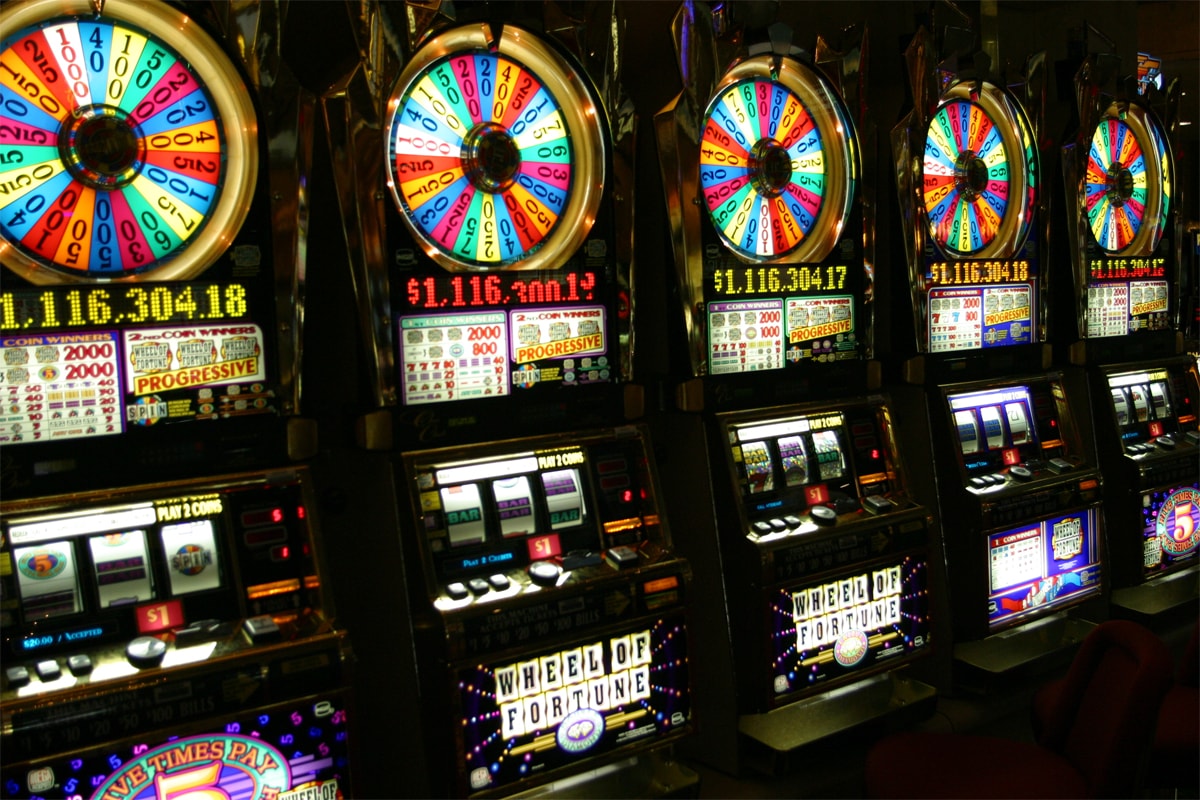
Have you ever observed that games with large progressive jackpots usually draw down your bank balance more quickly? That's not an accident. Progressive jackpot slots usually have lower base rates of return than non-progressive slot machines. The reason is simple: one-third of all bets placed on the game is diverted away from the regular prize pool to be added to the rising jackpot fund. This lowers the games base RTP, but it also can result in a huge, network-funded prize. It's basically trading a portion of your normal return for an opportunity to win the jackpot. When playing progressives on sites like ASIAN 2 BET, you're paying for the possibility of winning.
9. RTP along with Bonus Features Are ofttimes Linked
Some newer slots, in particular those with "Bonus Buy" features, have their RTP calculations based on the best options. The listed RTP to play will typically be an average, which includes both base gameplay and bonus rounds. However, if a slot game includes bonus buy features, such as a Bonus Buy feature, the RTP associated with that particular option may differ. Sometimes, it's greater, sometimes lower. For example, a particular game might have a base-rate RTP of 96%, however the "Buy Bonus" option might have an RTP of 97.5% since you're not taking advantage of the base spins that pay low to get directly to the high-volatility feature. Always confirm if the slot comes with different RTPs depending on the mode.
10. How to Utilize RTP in your Slot Selection Strategy
How can you actually use RTP as a player? The smart approach is to utilize it as a single factor out of many, and not the sole factor. The first step is to decide on the kind of experience you want. If you're playing with a smaller cash-flow and want your investment to last, try slots that offer a high RTP (97 percent or more) as well as low to medium volatility. These games can provide an extended playtime as well as more frequent small wins. If you're after a major winnings and are willing take a risk, it's possible to pick a highly volatile game. Then, out of those, choose one that has the most RTP that you can find. You can use RTP as a way to break the tie between two games that are similar. It's ultimately a method to make smarter decisions, not the ultimate guide to predicting results. Follow the most popular https://asian2betlimit.com/ for website tips including kami poker, slot idn, ovo slots, slot judi, play slot, slot ovo, slot pragmatic play, game slot online, link slot terpercaya, mania slot and more.
Common Poker Mistakes New Poker Players Make With ASIAN 2 BET
There's a brutal reality that every new player eventually will have to confront. When you sit at a virtual table using a platform like ASIAN2BET, you've watched a few videos as well as the hand rankings, and you're determined to conquer the felt. But then, in a way, your chips disappear. Repeatedly. The truth is that poker is a game of mistakes--specifically, making fewer of them than your opponents. Even the world's best players do make mistakes but they've developed the ability to spot and eliminate the most costly ones and avoid them from the game. In the beginning, the gap between perceived knowledge and real skill is often filled with recurring, reversible mistakes that drain your copyright and destroy confidence. Understanding the common pitfalls are the very first steps to stopping your leaks, and setting a foundation for real improvement. Here are 10 things to be aware of frequently made poker mistakes that beginners make.
1. Playing Too Many Hands
This is the universal beginner's mistake that separates profitable players from those who constantly ask where their money went [citationIt's a common mistake that people make. When you're just starting out it's possible that every hand will be exciting. The 7-5 offsuit? Perhaps it'll hit a straight. Perhaps that Q-3 will be the perfect match? You don't know. However, the math isn't forgiving. The risk of playing more that 20-25% of your hand preflop is almost certain to be a mishap at many tables [citation11. Poker is a game of determination and patience. You should concentrate on playing strong, starting hands in good positions while establishing the discipline to fold all other hands. The boredom of folding is more pleasant than the anger of losing when you play with weak hands.
2. Inattention to Position
A new player often makes decisions that are based on their own cards, ignoring where they're at. Your location relative to the button to the dealer is one the most crucial aspects in every choice you make [citation(2). When you play last in a wagering round gives you a priceless benefit of observing what everyone else is doing before making a commitment to chips. Beginners typically play too many hands from a position in the beginning which means they're compelled to act initially with very little information. They also fail to play many hands from late position, where they can steal blinds and direct the action. If you're unable to adjust your hand selection based on the hand's position, you're losing money.
3. Chasing Losses and playing on Tilt
Poker is a game of swings. Even the most skilled players lose games they should have won. The main difference between professional players and amateurs is the way they deal with losses. When newbies experience a rough beat, their mood changes. They experience a state of "tilt"--frustration or anger and insanity that can lead to reckless decisions [citation: 6]. They start chasing losses by engaging in more play, throwing money at the table with garbage, and trying to win in order to "get the same." The odds are not in their favor. The person who is obsessed with losing results in digging a deeper hole. Recognizing when you're tilted and having the courage to leave for a period of time, even if it's only fifteen or so minutes, is essential to long-term viability [citation:9The citation: 9.
4. Poor Management of Bankrolls
Many players treat their poker money as one undifferentiated pool of money. They'll play whatever stakes feel appealing regardless of whether their cash reserves can handle inevitable fluctuation [citation:2]. One simple rule experienced players adhere to is the 1-2% rule Never risk more than 1 % of the bankroll during a single purchase or tournament [citation: 88. If you've got $100 in your poker account, you have zero business participating in events with buy-ins as low as $20. In the end, you'll be broke before you can hit one of your luckiest streaks. Begin with the lowest stakes you're able to and only move up after you've beat your current limit [citation:5.
5. Playing passively and frightening of Aggression
The new players tend to fall into an inactive mindset. They will call when they need to raise, look at the time to bet and generally let others control the flow of play [citation:4]. This is especially common in the blinds, where players will limp in just to "see an inexpensive flop" in poor hands [citation4. The issue with passive play is that they never put any pressure on opponents and seldom can maximize the value of your hands. An effective poker strategy requires aggressiveness. If you've got a hand that you think is the best, put money on it and increase it. If you're first to act, don't automatically check--consider leading out. Intenseness makes mistakes for your adversaries and creates bigger bowls when leading.
6. Calling Too Much and Bluffing Too Little
This type of error naturally arises from ignorance. Beginners make calls too often, particularly on the river [citation:10In the river, especially on the river [citation:10. They're "calling stations,"" making sure that opponents don't lose their wagers of value using hands that clearly won't. There's a psychological element to this--players do not want to be viewed as they've been deceived, so they make calls to "keep their opponents honest." The other side is that novices aren't able to bluff enough [citation: 10The reason is that they don't bluff enough [citation:10. They're scared of being caught by the police and appearing to be foolish. The result is an established pattern: they only bet when they've got powerful hands, and only withdraw when they are certain that they'll be beat. Expert players are quick to recognize and make the most of this.
7. Doing a poor job of valuing weak hand and draw
Ace-king appears beautiful prior to the flop however, if the flop doesn't hit your completely, it's the ace-high. Many beginners fall in love large starting cards and then refuse ever to take them off, even when the table is clearly risky. Similar to that, beginners overvalue drawing hands. They'll bet on flush draws and straight draws without understanding pot odds and make large wagers that have little chance of hitting [citation:1]. When they do make their draw, often they miss the opportunity to gain maximum value making fancy bets on check-raises that will backfire [citation :1This is a citation for 1. Learning to fold a confident hand when the situation calls for it is a sign of maturation.
8. The Opposition isn't paying attention.
Most beginners play as though they're on their own at the table in complete focus on the cards they play and their decisions. It's a competition of people, not only cards [citation:22. Proficient players continuously observe their counterparts: Who plays loose? Who is loose? Who is apathetic? Who calls down with weak hands? Who gets angry after an loss? The information you gather is worth gold. On platforms like IDN Poker, you have tools to take notes on players. Use these tools. If you don't look at your opponents is playing a fundamentally different--and much less profitable -game than a player who studies every person sitting around the table.
9. The Tables Are Too Full or for too long
The online format draws players to get the most out of their play. Four tables, six tables, or even more - the action never stops. For a novice the game is a complete disaster [citation: 55. You're not able to master reading opponents, understand bet sizing patterns, or spot tells when you're trying in order to play six simultaneous games. Start with two or one tables, if you can. Be attentive. Take notes. Take note of every decision. Additionally, playing for hours without a break leads to fatigue. And fatigue can lead to errors [citation: 55. Your brain is in need of rest. You should take regular breaks, move off from the computer screen, and come back refreshed.
10. Inability to learn and study by making mistakes
The last mistake is a error of failing to improve. There are many players who sit down, lose, and then do it again the following day to repeat the exact same errors [citation:7]. Poker is a game that requires constant learning. Players who are successful are those who regularly review their game, recognize their leaks, and actively work to address them [citation:9The game of poker is a constant process of learning. This might involve reading articles, watching training videos, speaking with experienced players, or simply taking time after each session to think through key decisions. If you're not learning, you're in a bind, because somewhere out there other players are attempting to beat you.
